
Key takeaways
- Choosing a gobo light for a home photo corner? Check pattern sharpness, heat, and gobo variety, plus five desk companions that keep the corner working.
A plain wall behind a portrait can look flat and forgettable, and that is exactly the problem a gobo light solves. A gobo light is a small projector that pushes light through a patterned disc, so the wall behind a subject fills with the look of window blinds, leafy shade, geometric shapes, or soft broken texture. For a home photo corner, it is one of the fastest ways to make a simple backdrop feel like a location. The trap is buying the effect before understanding what it can and cannot do, because a gobo light is a decoration for a scene, not the light that builds the scene.
One thing needs saying plainly before any product talk: none of the five picks in this guide is itself a gobo light. The How to Choose section below teaches the gobo decision itself, covering what separates a sharp, safe, versatile projector from a novelty toy. The five products that follow are corner companions, the everyday desk items that keep a small photo setup organized and comfortable through a long session. Read the buying guidance first, then use the companions to round out the corner around whichever projector earns the spot.
As an Amazon Associate, we earn from qualifying purchases.
How to Choose a Gobo Light for a Home Photo Corner
Start with the most important honesty point: a gobo is an effect, not a key light. It decorates a scene that still needs a main light for exposure and a subject lit well enough to read clearly. If the corner does not yet have a decent key light, buy that first. A pattern thrown over an underexposed portrait is still an underexposed portrait, only busier. Let the gobo be the last layer, not the foundation.
Pattern sharpness follows distance and focus. The further the projector sits from the wall, the larger the pattern grows, and the softer its edges become unless the lens can refocus at that distance. A projector with a focusing lens keeps blind slats and leaf shapes crisp at the distances a real corner offers, while a fixed-focus unit looks fine close up and melts into blur across the room. Measure the throw distance the corner actually allows, and choose a lens that stays sharp there.
Heat is real on lamp-based projectors. A strong lamp in a small housing gets hot, and makers publish duty cycles for a reason. Follow the stated run and rest times exactly, keep vents clear, and never leave a hot unit unattended or draped with a backdrop cloth. LED models run cooler and suit long sessions better, though they still deserve airflow and a cool-down before packing away. Treat heat as a hard buying filter, because the corner is a small space full of fabric, paper, and cables.
Patterns are a seasoning, not a main ingredient. One beloved shape repeated across a whole portfolio quickly reads as a trick, and viewers start seeing the gobo instead of the subject. Choose a light that ships with several interchangeable gobos, rotate them, vary the distance and softness, and leave many shoots pattern-free so the effect keeps its surprise. A modest set of four to six patterns, used sparingly, covers more creative ground than one dramatic design used every time.
Finally, the corner itself sets the look more than the unit does. Wall color warms or cools the pattern, wall distance sets its size, and a busy real background fights the projection. Before judging any projector, throw its patterns at a plain test wall at home, at the distance the corner actually allows. That plain wall teaches more in ten minutes than any polished sample gallery.
SANY DAYO Jewelry Organizer With 30 Hooks

A photo corner runs on small cables, and small cables migrate. Charging leads, trigger cords, and sync cables end up draped over the backdrop or lost in the drawer everything gets swept into. This organizer earns its place as a light-duty rail for those light leads and for the shot-list card that keeps a session on plan. Thirty hooks give every short lead its own spot, so the key light cable and the projector cable stop tangling into one knot, and the shot list hangs where it can be checked at a glance.
Be clear about what it is: a jewelry organizer, used here as a tidy rail for light items only. It never holds consoles, drives, power strips, charging bricks, or heavy tools, and it should never hold the projector or its stand. Heavy gear belongs on rated supports. Within its honest limits, the rail turns cable clutter into a row of grabbable leads, saving real minutes across a session.
Specs
- 30 hooks for hanging light leads, cords, and small accessories
- Wall-mounted rail format that keeps the desk surface clear
- Light-duty loads only, such as cables and a shot-list card
- Not rated for power strips, drives, consoles, or lighting fixtures
HEKEE Dusk to Dawn Bulbs A19

Every photo corner sits inside an ordinary room, and that room needs ordinary light for setup, teardown, and finding the lens cap that rolled away. These A19 bulbs handle that background job automatically: a built-in sensor turns them on at dusk and off at dawn, so the room is never fully dark when an evening session runs long. They are plain automatic sensor bulbs, and that plainness is the point.
They are explicitly not smart bulbs, so there is no app control, no color changing, and no dimming scenes. They are not task lighting, and they are not photo lighting, so they must never be presented as the light to shoot by. In windowless rooms they may stay on longer than expected, since the sensor reads the room as permanent dusk. Check the enclosed-fixture rating before fitting one inside a covered shade, and keep them in their proper role: simple room light around the real lighting kit.
Specs
- A19 bulb shape for standard household sockets
- Built-in dusk-to-dawn sensor for automatic on and off
- Plain automatic bulbs, no smart features or app control
- Background room lighting only, not task or photo lighting
- Check the enclosed-fixture rating before use in covered shades
ULANZI Super Clamp

A gobo scene often needs one small thing held in exactly one awkward place: the edge of a backdrop that keeps curling, or a flag that cuts a stripe of stray light off the wall. This super clamp is the tool for those small holding jobs. Its jaws grip a shelf edge, a stand pole, or a table lip, and let a backdrop edge or flag stay where it was aimed instead of sagging mid-session. In a corner where floor space is gone, a clamp that borrows support from furniture already there is genuinely useful.
Frame it honestly, though: the clamp is a mount only. It includes no light, phone, or camera of its own, and it adds holding power, not illumination. Never clamp a screen with it, and never ask it to hold the projector beyond its rated grip. Pad the jaws on finished furniture so the metal does not mark wood or paint. Used inside those limits, it keeps backdrops flat and flags honest while the projector does the showy work.
Specs
- Clamp mount for gripping poles, shelf edges, and table lips
- Suited to holding a small backdrop edge or a flag
- Mount only, with no light, phone, or camera included
- Jaw padding recommended on finished furniture surfaces
- Not a substitute for a rated projector stand
tomtoc Laptop Case

A photo corner usually shares space with a laptop, since tethered shooting, quick file checks, and session notes all live there. This padded case gives that laptop a safe parking spot when the corner converts back into a desk or dining table. The padding guards against everyday knocks, and the slim shape slides into a shelf or bag without demanding its own storage project. When the session ends, the laptop goes in the case, the leads go on the rail, and the corner tidies itself in minutes.
Keep the framing honest: it is a padded soft case, not a hard shell, so it softens bumps and scratches rather than surviving drops or heavy stacking. It is not waterproof either, so a spill near the desk is still a spill to avoid. Check the internal dimensions before ordering, because a case that almost fits protects nothing. Sized right, it is simple insurance for the machine that holds the session’s files.
Specs
- Padded soft case for everyday laptop protection
- Slim profile for shelf, desk, or bag storage
- Soft construction, not a hard shell and not waterproof
- Check internal dimensions against the laptop before ordering
Hi-Lyte Electrolyte Drops
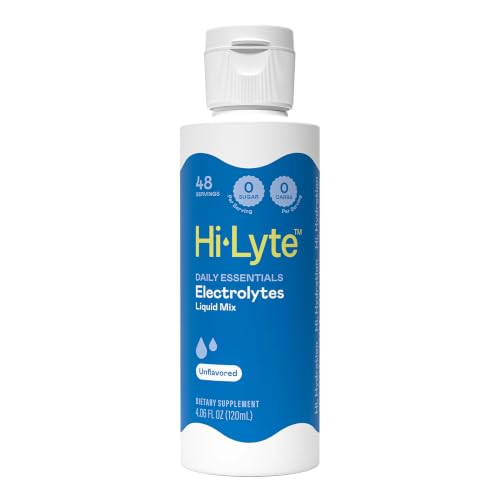
Photo sessions run longer than planned. Retakes multiply, the backdrop needs one more adjustment, and two hours pass without a break. These electrolyte drops exist for that plain, unglamorous moment: they turn a bottle of water into a lightly mineralized drink during long work sessions. A small bottle lives in the corner’s drawer without taking space from gear, and water beside the desk is a better session habit than pushing through tired and thirsty.
The claims here stay deliberately modest. This is not a medicine, an energy product, or a treatment for anything, and it will not fix a badly planned session or replace meals and rest. Plain water is fine for most people, most of the time, and these drops are simply an option for those who prefer their water with electrolytes during long work stretches. Follow the label directions, and readers with medical conditions or restricted diets should check with a clinician before using electrolyte products regularly.
Specs
- Liquid electrolyte drops added to water by the glass or bottle
- Compact bottle that stores easily in a desk drawer
- Follow label directions for serving amounts
- Not a medicine or treatment product; clinician check for restricted diets
FAQ
Can a gobo light replace the main light in a small photo corner?
No. A gobo light is an effect that patterns the background, while the subject still needs a proper key light for exposure and clarity. A corner with only a projector produces dim, uneven portraits with an interesting wall. Build the setup in order: key light first, then the gobo as the final decorative layer.
How far should the projector sit from the wall?
It depends on the pattern size wanted and whether the lens can focus at that distance. Closer throws give smaller, sharper patterns, while longer throws grow the pattern and soften its edges. A focusing lens keeps shapes crisp across more distances, so measure the corner’s real throw distance and favor a unit that stays sharp there.
Are LED gobo projectors better than lamp-based ones for home use?
For most home corners, LED models are the easier fit. They run cooler, suit longer sessions, and ask less vigilance about duty cycles. Lamp-based units can be strong but get genuinely hot, so their run and rest limits must be followed exactly and they should never be left unattended. Either way, heat belongs near the top of the buying checklist.
How many gobos does a beginner actually need?
A small set goes a long way. Four to six patterns, covering a window-blind look, a leaf or branch shape, a simple geometric, and a soft texture, will serve a home corner for a long time. Rotate them, change distance and focus softness, and skip the pattern entirely on many shoots. Restraint is what keeps the effect looking fresh.
Final Verdict
A gobo light is one of the most enjoyable upgrades a home photo corner can get, provided it is bought in the right order and with clear eyes. Put the key light first, choose a projector whose lens stays sharp at the corner’s real throw distance, respect heat and duty cycles as hard limits, pick several patterns and use each sparingly, and judge everything against a plain test wall at home. Do that, and the corner gains window light on demand and backdrops that look like locations.
The five companions in this guide will not throw a single pattern, and they do not pretend to. The organizer rail keeps light leads and the shot list in order, the sensor bulbs handle the room’s background light, the clamp holds a backdrop edge or flag where it belongs, the padded case gives the session laptop a safe home, and the electrolyte drops support the plain habit of staying hydrated through long shoots. Together they keep the corner tidy and comfortable, so the projector can do the creative work it was bought for.
Product and ASIN Reference
| Product | ASIN |
|---|---|
| SANY DAYO jewelry organizer 30 hooks | B07QFZSVQW |
| HEKEE dusk to dawn bulbs A19 | B07HGZMYZ4 |
| ULANZI super clamp | B09C882D4M |
| tomtoc laptop case | B073TVX735 |
| Hi-Lyte electrolyte drops | B01MXDAHIB |
FAQ
Can a gobo light replace the main light in a small photo corner?
How far should the projector sit from the wall?
Are LED gobo projectors better than lamp-based ones for home use?
How many gobos does a beginner actually need?
More from Amazon
Programs that pair well with the guide above. Offers and eligibility are set by Amazon and may change.
Free shipping on eligible items, Prime Video and more. Eligible new members can start with a free trial.
Start a Prime free trialAudiobooks and podcasts to listen to on the go. Eligible new members can start with a free trial.
Try Audible freeAd-free music streaming. Eligible new subscribers can start with a free trial.
Try Music Unlimited freeA free business account with business pricing and bulk-buying tools for work, shop or home office.
Create a business accountAs an Amazon Associate we earn from qualifying purchases.










Write Your Review
No reviews yet. Be the first to share your experience!