
Key takeaways
- Keep memory cards safe in a studio corner with five honest desk companions, plus habits for labeling, same-day copies, and careful formatting.
A studio corner earns its keep when the small, easy-to-lose things have a fixed home, and few things in photography are smaller or easier to lose than a memory card. A card can hold a whole morning of work, yet it is light enough to slide under a keyboard or vanish into a camera bag. The safest studio corner is therefore less about any single purchase and more about a short list of habits: cards living in one case, labels that make sense to the person who wrote them, copies made the same day, and formatting done only when the files are already safe somewhere else.
This guide is about the companions that support those habits around a studio corner desk. To be plain about it: none of the five picks below is itself a memory card, and none replaces a card, a reader, or a backup drive. Each supports the space where cards are handled — the light, the rail that keeps daily carry off the work surface, the mount, the laptop case, and a simple drink for a long copying session. The card holds the files; the photographer’s routine is what keeps them safe.
As an Amazon Associate, we earn from qualifying purchases.
How to Choose Companions for a Memory Card Studio Corner
Keep Every Card in One Case, Labeled Your Way
The first habit is also the simplest: every card lives in one case, and the case lives in one place. A card left loose on a desk is a card waiting to be swept into a drawer or a bag it does not belong in. Inside the case, each card gets a label in whatever system the keeper actually understands — by camera, by job, by date, or by simple numbering. The system does not need to impress anyone else; it needs to be readable at a glance by the person who wrote it, on a tired evening, without guessing. When a card comes out of a camera, it goes into the case. When a card goes into a camera, it comes out of the case. That single loop removes most of the ways cards get lost.
Copy the Files the Same Day, Every Day
The second habit protects against the loss that no case can prevent. Cards should be copied to the computer on the same day the pictures were taken, before the card goes back into rotation. A lost card then means lost plastic, not lost work, because the files already exist on the machine — and ideally in a second location too. The routine is short: card out of camera, files copied, copy checked, card into the case. Done daily, it takes minutes and removes the worst outcome in digital photography.
Format in the Camera, and Only After the Copy Is Safe
The third habit concerns the moment a card is cleared. Common practice is to format a card in the camera that will use it, rather than deleting files one by one on a computer, because the camera prepares the card in the way it expects. The important half of the rule is timing: formatting happens only after the files have been copied and the copy checked. A verified card can be formatted without anxiety; a card that might still hold the only copy of a session should never be cleared. When in doubt, the card stays in the case and a different card goes into the camera.
Remember That the Routine, Not the Card, Keeps Files Safe
It is worth stating plainly: a memory card does nothing to protect its own contents. Cards get dropped, washed in pockets, and mislabeled by tired people. What keeps files safe is the routine around the card — one case, honest labels, same-day copies, and patient formatting. The companions in this guide were chosen to make that routine easier to keep.
SANY DAYO Jewelry Organizer With 30 Hooks

A rail earns its place in a studio corner by giving daily carry a home that is not the work surface. This jewelry organizer, with its rows of hooks, works honestly as a light-duty rail for keys, lanyards, and other light accessories that otherwise drift across the desk where cards are handled. Every small item on a hook is one less item hiding a memory card underneath it: a clear surface is a safe surface for tiny media.
The framing stays plain: this is a jewelry organizer repurposed as a light-duty rail, and it should only ever carry light things. It is explicitly not for consoles, drives, power bricks, or heavy tools, and it is not a place for memory cards themselves. Cards belong in their case, closed and labeled, never loose on a rail. Used within those limits, the rail keeps the corner tidy and the card case easy to find.
Specs
- Product type: Jewelry organizer with 30 hooks
- Role in this guide: Light-duty rail for keys, lanyards, and light accessories
- Load guidance: Light items only; never consoles, drives, power bricks, or heavy tools
- Memory card note: Cards belong in their case, never loose on the rail
HEKEE Dusk to Dawn Bulbs A19

Reading a handwritten label on a small card case is a job for decent ambient light, and that is the honest role of these bulbs in a studio corner. They are plain automatic sensor bulbs: on as the room darkens, off as daylight returns, which suits a corner used in the early morning or late evening for copying and sorting cards. The light is general room light, useful for finding the case and reading labels.
Two limits deserve plain words. These are not smart bulbs — no app, no scheduling, no voice control — and they are not task lighting for judging color or editing photographs, a job for a proper desk lamp. In a windowless room, a sensor bulb may stay on, which is expected behavior rather than a fault. Before fitting any bulb into an enclosed fixture, check the fixture’s rating so the pairing is suitable. Within those limits, the bulbs remove the dim-corner fumbling that leads to dropped cards.
Specs
- Product type: A19 dusk to dawn sensor bulbs
- Behavior: Automatic on at dusk, off at dawn, based on ambient light
- Explicitly not: Smart bulbs; not task lighting for color work
- Room note: May stay on in windowless rooms; check enclosed-fixture rating
ULANZI Super Clamp

Studio corners often hold a small camera, a phone, or a lightweight accessory that needs to stay in one position — for recording the desk, a video call, or a tidy card reader cable run. A super clamp is the simple tool for that holding job, gripping a desk edge, shelf, or stand so the mounted item stays where it was placed.
Its limits are simple and worth repeating. The clamp is a mount only: it has no light, no phone, and no camera of its own, so it does nothing until something is attached to it. It should never be clamped onto a monitor screen, which is not built to take that pressure, and its jaws should be padded so the grip does not mark the surface it holds. Used that way, it keeps small gear parked in fixed positions, making the card-handling area calmer and more predictable.
Specs
- Product type: Super clamp mount
- Role in this guide: Holds a small camera, phone, or light accessory in position
- Explicitly not: Includes no light, phone, or camera of its own
- Use notes: Never clamp a monitor screen; pad the jaws to protect surfaces
tomtoc Laptop Case

Cards are copied to a computer, and in many homes that computer moves — from studio corner to kitchen table to a bag for the day. A padded laptop case protects the machine during those moves and gives its charger, cable, and card reader a consistent set of pockets, so the copying kit is always together — and the same-day copy habit travels with it.
The honest description of this case is a padded soft case. It is not a hard shell, so it softens bumps and scratches rather than resisting crushes or drops, and it is not waterproof, so a wet day still calls for care. Fit deserves attention: check the internal dimensions against the laptop’s actual size, because a case that is too small is no protection and one that is too large lets the machine slide.
Specs
- Product type: Padded laptop case
- Protection level: Soft padded case; not a hard shell; not waterproof
- Fit note: Check internal dimensions against the laptop before ordering
- Role in this guide: Carries the laptop and copying accessories together
Hi-Lyte Electrolyte Drops
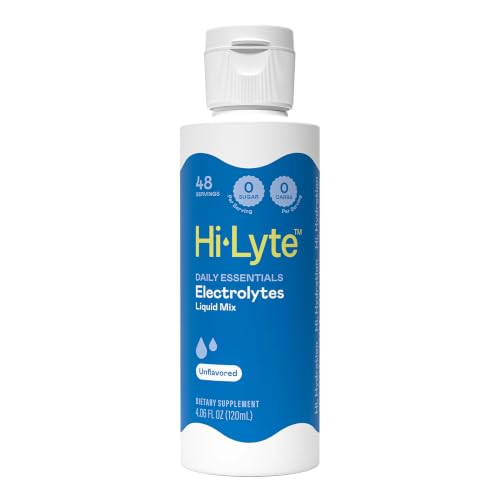
A long copying and sorting session — an evening of labeling cases and checking folders — goes better with a drink within reach, and these electrolyte drops are a simple way to flavor a glass of water during that kind of desk work. A few drops in water by the keyboard makes it easier to keep sipping through a repetitive task, and an unhurried person makes fewer labeling mistakes than a tired one rushing to finish.
The claims here stay deliberately modest. This is not a medicine, not an energy product, and not a treatment for anything, and plain water is fine for most people most of the time. Anyone with health questions about electrolytes or hydration should ask a clinician rather than a product label. Follow the label directions, treat the drops as a taste and convenience aid, and keep the credit for safe files where it belongs — with the routine.
Specs
- Product type: Electrolyte drops for water
- Role in this guide: Flavors water during long copying and sorting sessions
- Claims note: Not a medicine, energy, or treatment product; plain water is fine for most people
- Use note: Follow label directions; health questions go to a clinician
FAQ
Should memory cards be stored loose in a desk drawer instead of a case?
A case is the safer habit. A loose card in a drawer can be buried under other items or picked up and pocketed by mistake, and its label is easily separated from it. One case, kept in one place, means every card is either in the camera, in the reader, or in the case, and a quick look inside shows which cards are full, copied, or ready to format.
Is it safe to delete photos on the computer instead of formatting in the camera?
Common practice favors formatting the card in the camera that will use it, after the files have been copied and checked, because the camera prepares the card in the way it expects. Either way, the timing rule matters most: nothing is deleted or formatted until the copy is confirmed safe.
How should cards be labeled when several cameras are in use?
Any system the keeper understands is the right system. Many people label by camera — one letter or color per camera — plus a number or date, so a glance at the case shows which card came out of which body and roughly when. The same system is used every time, because a labeling habit only works when it never changes.
What is the single most protective habit for photo files?
Copying the files the same day they were taken. Cases prevent losing cards, and careful formatting prevents clearing the wrong card, but the same-day copy means that even a lost or damaged card costs only the card itself. Once the files sit on the computer — and better, in a second location too — the card becomes a temporary carrier, not the only home of the work.
Final Verdict
A safe studio corner for memory cards is built from habits first and objects second. Keep every card in one labeled case, copy the files the same day, format in the camera only after the copy is checked, and remember that the card merely holds the files while the routine keeps them safe. The five companions here support that routine in honest, limited ways: the SANY DAYO organizer clears light daily carry onto a light-duty rail, the HEKEE bulbs give plain automatic light for reading labels, the ULANZI clamp holds small gear in fixed positions, the tomtoc case moves the laptop and its copying kit between rooms, and the Hi-Lyte drops make a long sorting session more comfortable. None of them is a memory card, and none needs to be — the corner works because the routine does.
Product and ASIN Reference
| Product | ASIN |
|---|---|
| SANY DAYO jewelry organizer 30 hooks | B07QFZSVQW |
| HEKEE dusk to dawn bulbs A19 | B07HGZMYZ4 |
| ULANZI super clamp | B09C882D4M |
| tomtoc laptop case | B073TVX735 |
| Hi-Lyte electrolyte drops | B01MXDAHIB |
FAQ
Should memory cards be stored loose in a desk drawer instead of a case?
Is it safe to delete photos on the computer instead of formatting in the camera?
How should cards be labeled when several cameras are in use?
What is the single most protective habit for photo files?
More from Amazon
Programs that pair well with the guide above. Offers and eligibility are set by Amazon and may change.
Free shipping on eligible items, Prime Video and more. Eligible new members can start with a free trial.
Start a Prime free trialAudiobooks and podcasts to listen to on the go. Eligible new members can start with a free trial.
Try Audible freeAd-free music streaming. Eligible new subscribers can start with a free trial.
Try Music Unlimited freeA free business account with business pricing and bulk-buying tools for work, shop or home office.
Create a business accountAs an Amazon Associate we earn from qualifying purchases.










Write Your Review
No reviews yet. Be the first to share your experience!