
Key takeaways
- Plan a clearer study week with the best weekly planner companions: simple desk picks that keep three priorities, time blocks and a short review on track.
A weekly planner earns its place in a study when it turns a scattered pile of deadlines, reading lists and errands into one calm page a person can actually follow. The planner itself is only paper and ink, though. What surrounds it on the desk decides whether the habit sticks: a rail that keeps daily carry items off the page, steady evening light, a clamp that holds a phone where it is needed, a case that carries study gear between home and library, and a simple drink routine for long sessions. This guide looks at five companion picks that support a weekly planner routine in a home study.
One point needs stating plainly: none of the five picks below is itself a weekly planner. Each one is a companion that sits around the planner and the desk where the planning happens. Readers who still need the planner itself should choose a layout with a full week visible at a glance, enough writing room for each day, and a size that fits the desk or bag. The picks below cover the supporting cast: storage, light, mounting, carrying and hydration.
As an Amazon Associate, we earn from qualifying purchases.
How to Choose Companions for a Weekly Planner Routine
Plan the whole week in one sitting, at the same time each week
The strongest weekly planner habit is a single planning session, held at the same time every week, where the whole coming week gets mapped in one go. A Sunday evening or a Monday morning both work; what matters is that the appointment is fixed, short and repeatable. Good companions make the desk ready in seconds: items with a fixed home, light that switches on without fuss, nothing that needs hunting down first. If sitting down to plan means ten minutes of tidying, the habit will die within a month.
Keep three priorities for the week, not thirty tasks
A weekly planner page fills up fast, and a week with thirty listed tasks is usually a week where the three things that mattered got buried. A calmer approach is to name three priorities at the top of the spread, then let everything else be supporting detail. The desk should reinforce that focus: a small rail for keys, cables and daily carry keeps clutter off the surface, so the open planner stays the centre of attention.
Use time blocks for big items and a simple list for small ones
Not everything on a weekly planner deserves a scheduled slot. Large items, such as an essay draft or a revision session, work best as time blocks written into specific days, because they need protected hours. Small items, such as returning a book or sending an email, belong on a simple running list cleared whenever a spare ten minutes appears. Practical companions help here: a clamp that holds a phone up for a study call, or a case that keeps laptop and notes together so a session can move rooms easily.
End the week with a five-minute review before planning the next
The planning session works far better when it opens with a five-minute review of the week just finished. What got done, what slipped, and what no longer matters? Moving unfinished items forward deliberately, rather than guiltily, keeps the planner honest. A comfortable setup matters too: decent ambient light, a drink within reach and a tidy surface all lower the friction of sitting down. The review also reveals patterns, such as a priority that slipped three weeks running, which usually signals a planning problem rather than an effort problem.
Remember that a planner shows the week; choices make it a good one
It is worth stating the plain truth: a planner shows the week, but the person’s choices make it a good one. No organizer, bulb, clamp, case or drink mix will attend the lectures, do the reading or start the essay earlier. What good companions can do is remove small obstacles, keep the desk pleasant to sit at, and make the weekly ritual easy to repeat. Buy for those modest, real benefits and the setup will quietly pay for itself in calmer weeks.
SANY DAYO Jewelry Organizer With 30 Hooks

The first companion is a wall- or door-mounted jewelry organizer with thirty hooks, and its job in a study is simple: it gets small daily items off the desk so the weekly planner has a clear surface. Hung beside the desk or on the back of the door, it gives keys, lanyards, ID badges, cables and earbuds a fixed home. When the planning session starts, those items go on hooks instead of spreading across the planner page.
Honesty about what this product is matters. It is a jewelry organizer, repurposed here as a light-duty rail for keys, lanyards and other light accessories only. It is explicitly not a shelf or rack for heavy gear: never hang consoles, external drives, power bricks or heavy tools from its hooks, because neither the hooks nor the mounting are built for that weight. Kept within its light-duty role, it is a useful piece of desk discipline that suits small study corners.
Specs
- Product type: jewelry organizer with 30 hooks, used as a light-duty accessory rail
- Best use: keys, lanyards, badges, light cables and earbuds beside the desk
- Load guidance: light accessories only; not for consoles, drives, power bricks or heavy tools
HEKEE Dusk to Dawn Bulbs A19

Evening planning sessions need light that simply works, and that is the role of these dusk to dawn bulbs. Each A19 bulb carries a light sensor, so it switches itself on as the room darkens and off again when daylight returns. Fitted in a hallway lamp or a secondary room lamp near the study, a pair gives the room a gentle layer of automatic ambient light, making a Sunday planning session feel less stark than under a single harsh ceiling light.
The limits deserve equal clarity. These are plain automatic sensor bulbs. They are explicitly not smart bulbs: no app, no voice control, no colour changing and no scheduling beyond the light sensor itself. They are also not task lighting, and should not be the main light anyone reads or writes by; the planner still deserves a proper desk lamp. Two practical notes: in a windowless room the sensor may read permanent darkness and keep the bulb on, and before using any bulb in an enclosed fixture, check that the fixture rating allows it.
Specs
- Product type: A19 dusk to dawn sensor bulbs
- Operation: built-in sensor switches the bulb on at dusk and off at dawn
- Controls: automatic only; not smart bulbs, no app or voice control
- Best use: ambient evening light, not primary task lighting
- Notes: may stay on in windowless rooms; check enclosed-fixture rating before use
ULANZI Super Clamp

Study desks are small, and the third pick earns its place by holding things up off the surface. This super clamp grips a desk edge, shelf or pole and provides a mounting point for a small accessory, such as a phone holder arm, a compact light or a webcam arm. Its quiet value is flexibility: a phone can be clamped up for a study-group call while the planner lies flat below, or a small lamp angled over the page during an evening review, then removed when the desk needs to be clear.
The honest framing is that this is a mount only. It includes no light, no phone and no camera of its own; it holds whatever compatible accessory the owner already has. Two cautions apply: never clamp it onto a monitor screen, which can crack under the pressure, and pad the jaws so it does not mark desk edges. Tighten firmly and test the hold before trusting it with anything fragile.
Specs
- Product type: super clamp mount for desks, shelves and poles
- Function: mounting point only; no light, phone or camera included
- Cautions: never clamp a monitor screen; pad the jaws to protect surfaces
tomtoc Laptop Case

A weekly planner routine often spans more than one room: planning at the home desk, studying at the library, reviewing the week at a kitchen table. The fourth pick, a padded laptop case from tomtoc, keeps the moving part simple. Laptop, charger and the planner itself travel together in one protected bundle, so a session can relocate without loose trips and forgotten cables.
Set expectations correctly and this case does its job well. It is a padded soft case, which guards against scratches, scuffs and light bumps; it is not a hard shell, and it will not protect a laptop from a serious drop or heavy crush. It is also not waterproof, so rain means keeping it inside another bag. Before ordering, check the internal dimensions against the actual laptop, including thickness with any shell fitted, because a case even slightly small will not close.
Specs
- Product type: padded soft laptop case
- Protection: padding against scratches and light bumps; not a hard shell
- Water resistance: not waterproof; keep dry in wet weather
- Fit guidance: check internal dimensions against the laptop before ordering
Hi-Lyte Electrolyte Drops
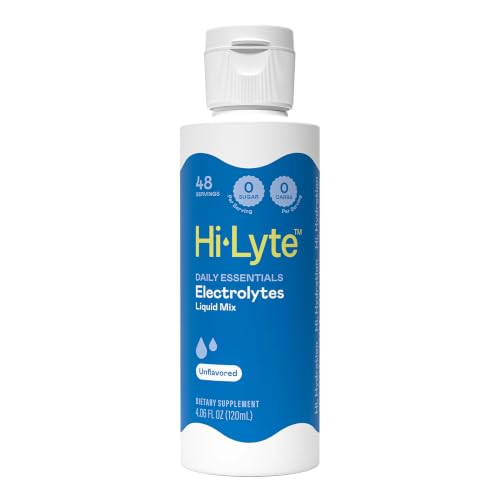
Long planning and study sessions often fail on something basic: the person stops drinking water and fades. The final pick, Hi-Lyte electrolyte drops, makes a bottle of water more appealing during a long evening with the planner. A few drops go into a glass or bottle, and the bottle lives on the desk through the session, making steady sipping the path of least resistance.
The claims here should stay deliberately modest, and they will. These drops are not a medicine, not an energy product and not a treatment for anything; they will not fix a badly planned week or replace sleep. Plain water is fine for most people, most of the time, and anyone content with plain water needs nothing extra. For those who use the drops, follow the label directions rather than guessing, and anyone with a health condition or questions about electrolytes should ask a clinician first.
Specs
- Product type: electrolyte drops for adding to water
- Use: add to a glass or bottle of water following label directions
- Claims: modest only; not a medicine, energy product or treatment
- Guidance: plain water is fine for most people; health questions go to a clinician
FAQ
How long should a weekly planning session take?
For most study routines, twenty to thirty minutes is plenty once the habit is established. That covers a five-minute review, choosing three priorities, placing time blocks for big items and updating the small-items list. A session regularly taking an hour usually means the planner carries too much detail.
Should the weekly planner stay on the desk all week?
Keeping the planner open or close at hand helps most people, because a visible week is easier to follow than a hidden one. That is why the companion picks here focus on clearing desk space and keeping light, mounts and carry gear organised around it. If the desk is shared, a case that holds the planner with the laptop keeps the system portable.
What if a planned week goes wrong by Wednesday?
Weeks go wrong regularly, and the planner is not broken when they do. The practical response is a two-minute midweek glance: move what still matters, drop what no longer does, and protect the three priorities if they are still realistic. The end-of-week review then shows whether the problem was the plan itself or simply an unusual week.
Are these companion products necessary for weekly planning?
No. A weekly planner works on its own with just a pen. The companions here solve specific small problems: desk clutter, flat evening light, nowhere to mount a phone, scattered study gear and forgotten water. Add only the ones matching a real problem, and skip the rest.
Final Verdict
A clear study week is built on a short, repeatable ritual: plan the whole week in one sitting, name three priorities, block time for the big items, list the small ones, and review for five minutes before planning the next. The planner itself carries that system, while the five companions here support it from the edges. The SANY DAYO organizer clears the desk, the HEKEE bulbs soften evening light automatically, the ULANZI clamp lifts a phone or lamp off the page, the tomtoc case moves the setup between rooms, and the Hi-Lyte drops make a long session a little more comfortable. None of them is a weekly planner, and none will do the studying, but together they make the habit easier to keep.
Product and ASIN Reference
| Product | ASIN |
|---|---|
| SANY DAYO jewelry organizer 30 hooks | B07QFZSVQW |
| HEKEE dusk to dawn bulbs A19 | B07HGZMYZ4 |
| ULANZI super clamp | B09C882D4M |
| tomtoc laptop case | B073TVX735 |
| Hi-Lyte electrolyte drops | B01MXDAHIB |
FAQ
How long should a weekly planning session take?
Should the weekly planner stay on the desk all week?
What if a planned week goes wrong by Wednesday?
Are these companion products necessary for weekly planning?
More from Amazon
Programs that pair well with the guide above. Offers and eligibility are set by Amazon and may change.
Free shipping on eligible items, Prime Video and more. Eligible new members can start with a free trial.
Start a Prime free trialAudiobooks and podcasts to listen to on the go. Eligible new members can start with a free trial.
Try Audible freeAd-free music streaming. Eligible new subscribers can start with a free trial.
Try Music Unlimited freeA free business account with business pricing and bulk-buying tools for work, shop or home office.
Create a business accountAs an Amazon Associate we earn from qualifying purchases.










Write Your Review
No reviews yet. Be the first to share your experience!