
Key takeaways
- Compare balance pad picks for standing desk work, with safety-first tips on firmness, floor grip, placement near support, and short daily balance drills.
Standing all day on a hard floor is its own kind of fatigue, and a foam balance pad is one of the simplest ways to make a standing desk corner feel more alive. The soft, slightly unstable surface invites small weight shifts and gentle ankle work while you read, type, or take a call, and it can double as a cushion under your knees or seat during floor stretches. This guide explains how to choose a pad with safety first, because a balance pad is deliberately unstable, and then rounds out the corner with five supporting picks that help a standing setup stay tidy, lit, and comfortable.
One point needs to be plain before anything else: none of the five picks below is itself a balance pad. They are companion items for the desk corner around the pad, chosen to handle cable clutter, evening light, small mounts, laptop storage, and hydration. The pad guidance in the How to Choose section stands on its own, and the product sections that follow simply help you build a safer, calmer space to stand in.
As an Amazon Associate, we earn from qualifying purchases.
How to Choose a Balance Pad Safely
Always Stand Within Reach of Support
A balance pad’s whole job is being unstable, and falls are the real risk, especially for beginners and older users. Set the pad beside a desk edge, a wall, or a sturdy rail that you can grab without leaning or lunging. If you have to reach for support, the pad is in the wrong place. Keep the area around it clear of chair casters, cables, and anything you could trip over on a wobbly step off.
Start Short, With Both Feet Planted
Begin with short standing bouts of a few minutes at a time, both feet flat and hip-width apart, knees soft rather than locked. Let the ankles do the small corrections and stop before fatigue makes your form sloppy. One-leg drills, heel raises, and eyes-closed variations come later, if ever, and only once ordinary standing on the pad feels boring. Progress is measured in calm control, not in difficulty.
The Pad Must Grip the Floor
Never place a pad on a slick floor without checking that it cannot slide. The pad should challenge your feet while staying planted itself, so look for a textured underside and test it on your exact flooring before trusting it with your full weight. Hardwood, tile, and smooth laminate are the risky surfaces. A pad that creeps across the floor turns a balance exercise into a slipping hazard.
Softer and Thicker Means Harder, Not Easier
Thick, soft foam feels luxurious in the hand but is the most demanding to stand on, because your feet sink and the surface moves more under every shift. Beginners should start on the firmest, thinnest option that still cushions the floor. If you plan to use the pad mostly as an anti-fatigue standing surface with light balance work, a firmer pad is also the more practical daily choice.
Know What a Pad Cannot Do
A balance pad challenges balance and ankle stability. It does not treat balance disorders, vertigo, neuropathy, or injury, and it is not a rehabilitation device. If you feel dizzy, have a history of falls, or are recovering from an ankle, knee, or hip injury, that is a clinician conversation to have before any pad enters the house. Stop immediately if standing on the pad causes pain, numbness, or light-headedness.
SANY DAYO Jewelry Organizer With 30 Hooks

Cables multiply around a standing desk, and loose charging leads on the floor are a genuine trip hazard next to a balance pad. This wall-mountable organizer is, plainly, a jewelry organizer with thirty hooks, and it works well as a light-duty rail for the small things a desk corner collects: short charging leads, earbuds, a lanyard, and a small reference card. Hung beside the desk, it keeps light cords off the floor and out of the step-off zone around your pad.
Treat it strictly as a light-duty rail. It is for light leads and small items only, never for consoles, drives, power strips, charging bricks, or heavy tools, which belong on a shelf or in a drawer. Mount it at a height you can reach without stretching while standing on the floor, not while standing on the pad.
Specs
- Thirty hooks for necklaces, bracelets, and similar small hanging items
- Open rail design keeps contents visible at a glance
- Suited to light leads, earbuds, keys, and small cards
- Wall or door mounting beside a desk corner
- Light-duty use only; not a shelf or heavy storage
HEKEE Dusk to Dawn Bulbs A19

Evening standing sessions and early-morning starts both benefit from light that simply handles itself. These are plain automatic sensor bulbs: a built-in dusk-to-dawn sensor turns the bulb on when ambient light drops and off when daylight returns. They are explicitly not smart bulbs, with no app, no voice control, and no scheduling, and they are not task lighting for detailed desk work, where a dedicated lamp aimed at the page does a better job.
A few honest caveats matter. In a windowless room, garage, or interior hallway, the sensor may read permanent dusk and the bulb may stay on, so place them where real daylight reaches the sensor. Before using one in a covered fixture, check that the bulb is rated for enclosed fixtures, since trapped heat shortens bulb life. Used in a porch, entry, or room lamp near your work corner, they quietly remove one small daily chore.
Specs
- Standard A19 bulb shape with a common screw base
- Built-in dusk-to-dawn light sensor, automatic on and off
- No app, hub, or smart-home connection required
- Best in fixtures that receive some natural daylight
- Check enclosed-fixture rating before use in covered fittings
ULANZI Super Clamp

A clamp earns its place in a standing corner when you want a small light panel, a phone for form-check videos, or a tiny fan positioned exactly where the desk surface has no room. This super clamp is a mount only: it has no light, phone, or camera of its own, and whatever you attach must be supplied separately and kept within sensible weight for a clamp of this size.
Use it with care. Never clamp a screen, monitor bezel, or laptop lid, since clamp pressure can crack a display. Pad the jaws with cloth or rubber when gripping finished wood or painted edges to avoid marks, and clamp to a desk edge or shelf that is solid rather than hollow. Tighten, then give the mounted item a gentle test wiggle before letting go.
Specs
- Heavy-duty clamp with adjustable jaw opening
- Standard threaded mounting points for accessories
- Mount only; no light, camera, or phone included
- Jaw padding recommended on finished surfaces
- Not for screens, monitors, or laptop lids
tomtoc Laptop Case

When the workday ends, a standing corner looks calmer if the laptop disappears into something protective rather than sitting out with its cables. This padded soft case gives a laptop a cushioned home in a drawer, on a shelf, or in a bag for the commute between desk and kitchen table. The padding guards against everyday bumps, knocks, and scratches from neighboring objects.
Be clear about its limits: it is a padded soft case, not a hard shell, so it will not protect a laptop from a serious drop or a heavy object landing on it, and it is not waterproof, so a spilled drink can still get through. Check the internal dimensions against your exact laptop model before ordering, because a case that is too tight stresses zippers and corners, and one that is too loose lets the machine slide around.
Specs
- Padded soft construction for everyday bump protection
- Smooth zipper closure with a tidy, low-profile profile
- Fits in drawers, shelves, and larger carry bags
- Not a hard shell and not waterproof
- Match internal dimensions to your laptop before ordering
Hi-Lyte Electrolyte Drops
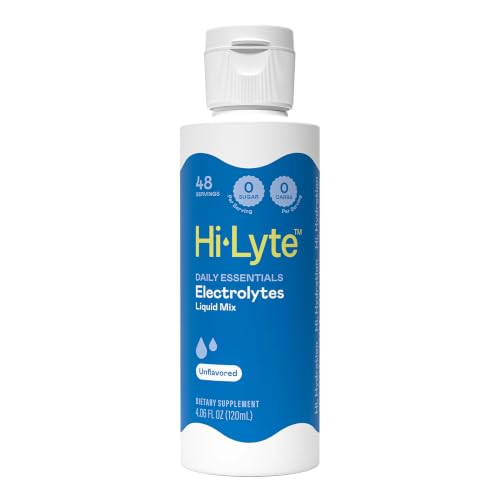
Standing more, moving more, and adding short balance bouts to the day can leave you drinking more water, and some people prefer a few electrolyte drops in the bottle during longer or sweatier sessions. These drops are a simple way to add electrolytes to plain water without sugar or stirring in powders.
The claims here should stay deliberately modest. This is not a medicine, an energy product, or a treatment for anything, and plain water is fine for most people most of the time. Follow the label directions for serving size rather than guessing, and if you have a medical condition or a restricted diet, such as limits on sodium or potassium, talk to a clinician before using electrolyte products regularly.
Specs
- Liquid drops added directly to a bottle or glass of water
- Unsweetened format with no mixing or powder residue
- Portable bottle suited to a desk drawer or gym bag
- Follow label directions for serving amounts
- Not a medicine or treatment product; plain water suits most needs
FAQ
How long should a beginner stand on a balance pad each day?
Start with a few minutes at a time, a few times a day, standing on the floor beside support you can grab. Add time only when the current amount feels easy and your ankles stay fresh. Short, frequent bouts beat one long session that ends in wobbly fatigue.
Can a balance pad replace an anti-fatigue mat?
Not entirely. A firm pad can cushion the floor while adding gentle instability, which suits people who want light balance work built into the day. If you simply want soft, stable comfort for long standing hours, a flat anti-fatigue mat is the steadier and safer choice.
Where is the safest place to put a balance pad at a standing desk?
Directly in your standing spot, within easy reach of the desk edge or a wall, on flooring the pad grips without sliding. Keep the step-off area clear of cables, chair wheels, and stored items so a quick step down always lands on clear, flat floor.
Should older adults use a balance pad?
Only with extra caution and, ideally, after a conversation with a clinician, especially where there is any history of falls, dizziness, or joint replacement. A firm, thin pad, short bouts, both feet planted, and constant nearby support are the minimum conditions, and a stable mat may be the wiser choice.
Final Verdict
Choose the pad itself by safety first: firm and thin to start, grippy underneath, and always used beside support you can grab. The five companion picks then do the quiet work around it. The SANY DAYO organizer clears light leads off the floor, the HEKEE bulbs automate evening light without any smart-home fuss, the ULANZI clamp positions small gear without eating desk space, the tomtoc case gives the laptop a protected home, and the Hi-Lyte drops cover hydration for longer standing days. Together they make a work corner where balance practice feels like a calm habit rather than a risky stunt.
Product and ASIN Reference
| Product | ASIN |
|---|---|
| SANY DAYO jewelry organizer 30 hooks | B07QFZSVQW |
| HEKEE dusk to dawn bulbs A19 | B07HGZMYZ4 |
| ULANZI super clamp | B09C882D4M |
| tomtoc laptop case | B073TVX735 |
| Hi-Lyte electrolyte drops | B01MXDAHIB |
FAQ
How long should a beginner stand on a balance pad each day?
Can a balance pad replace an anti-fatigue mat?
Where is the safest place to put a balance pad at a standing desk?
Should older adults use a balance pad?
More from Amazon
Programs that pair well with the guide above. Offers and eligibility are set by Amazon and may change.
Free shipping on eligible items, Prime Video and more. Eligible new members can start with a free trial.
Start a Prime free trialAudiobooks and podcasts to listen to on the go. Eligible new members can start with a free trial.
Try Audible freeAd-free music streaming. Eligible new subscribers can start with a free trial.
Try Music Unlimited freeA free business account with business pricing and bulk-buying tools for work, shop or home office.
Create a business accountAs an Amazon Associate we earn from qualifying purchases.










Write Your Review
No reviews yet. Be the first to share your experience!