
Key takeaways
- Compare camera strap picks for safer everyday carrying, with honest guidance on anchors, weight ratings, sling comfort, wrist limits, and daily gear.
A camera strap looks like the simplest accessory in a photo kit, yet it carries a serious responsibility. Every time the camera slips from a hand, swings while walking, or is set down and picked up again, the strap and its connectors are what stand between the camera and the floor. Choosing one well is therefore less about color or branding and more about anchors, ratings, comfort, and honest limits for the way the camera is actually carried each day.
This guide looks at camera strap choices for everyday carrying from a safety-first angle, and then rounds out a photo corner with five supporting picks for the desk and the room around it. To be clear from the start, none of the five picks below is itself a camera strap. Each one supports the wider routine of storing small gear, lighting the room, mounting accessories, carrying a laptop, and staying comfortable on long shooting days, while the strap decision itself is covered in the buying guidance that follows.
As an Amazon Associate, we earn from qualifying purchases.
How to Choose a Camera Strap for Everyday Carrying
Start with the strap’s real job: drop prevention. A strap keeps the camera attached to the body when a grip slips, a hand is bumped, or attention wanders for a second. It does not do anything else, and judging it on that single job makes the important checks obvious. Look first at the anchors, the lugs on the camera body, and any quick-release connectors in the chain. A strap is only as strong as its weakest connector, so a wide, well-padded strap joined by a thin cord loop, a worn plastic buckle, or a quick-release plate that does not lock positively is a weak system wearing a strong costume. Inspect stitching, webbing edges, and metal hardware, tug each connection firmly before trusting it, and replace any part that shows fraying, cracking, or looseness.
Next, match the strap rating to the heaviest body-plus-lens combination actually carried, not the lightest setup owned. A mirrorless body with a small prime is a very different load from the same body with a long telephoto zoom, a grip, and a flash. If the maker states a weight limit, stay comfortably inside it, and remember that swinging and bouncing while walking adds force beyond the static weight hanging still in a shop. When in doubt, choose the strap rated for the heavier kit and accept a little extra bulk.
Comfort then decides which style gets used consistently, because the safest strap is the one that stays attached all day. Neck straps are simple and keep the camera centered and ready, but they concentrate the full weight on the neck and often tire on long days, especially with heavier combinations. Cross-body slings spread the load across the shoulder and torso and usually feel better over hours, yet they let the camera rest and swing at the hip, where it can knock against tables, door frames, and other people in crowds. Set the length carefully, consider how the camera hangs at rest, and be honest about whether that swing will be managed or ignored.
Wrist straps have a narrower role. They suit light cameras and short outings, a quick walk, a brief visit, a small compact used close to home, where the load is modest and the hand stays on the camera most of the time. They are not the right answer for heavy kits, long days, or situations where both hands are needed often, because a wrist loop offers little help once fatigue sets in and it does nothing when the camera is set down.
Finally, keep the limits plain. A strap does not protect against theft, since most straps can be cut or slipped, and it does not protect against knocks, rain, or drops from height beyond keeping the camera from falling in the first place. Padding, cases, careful handling, and awareness do those other jobs. Buy the strap for attachment, check its connectors like safety equipment, and recheck them whenever the kit, the strap, or the carrying style changes.
SANY DAYO Jewelry Organizer With 30 Hooks

At the photo desk, small leads, lens cloths, and memory card wallets tend to scatter across the surface where a camera is set down between outings. This jewelry organizer, used plainly as a light-duty rail, gives those light items a row of hooks to hang from, keeping the desk clearer for the camera itself. It is a jewelry organizer first, and that framing matters for what it should and should not hold.
Use it only for light leads, a small card, or similar featherweight items. Never hang consoles, drives, power strips, charging bricks, or heavy tools from it, and never treat it as camera storage. A camera body or lens belongs on a shelf, in a bag, or on a proper mount, not on a hook rail made for necklaces. Kept inside its limits, it is a tidy backdrop for a strap check routine: hang the light leads, leave the desk open, and inspect the strap connectors on a clear surface before heading out.
Specs
- Product type: jewelry organizer with 30 hooks
- Intended use here: light-duty rail for light leads and a small card only
- Placement: desk or wall area in a photo corner
- Limits: not for heavy items, power bricks, drives, or camera bodies
HEKEE Dusk to Dawn Bulbs A19

Evening returns from a shoot often end with sorting cards and charging batteries in a dim room. These bulbs are plain automatic sensor bulbs that turn on at dusk and off at dawn, adding background light to a hallway, porch, or room without any app or schedule. They are explicitly not smart bulbs, with no voice control, scenes, or remote features, and they are not task lighting for detailed desk work.
That distinction keeps expectations honest. Use a proper desk lamp for inspecting strap stitching, reading small labels, or editing photos, and let these bulbs handle simple ambient duty. In windowless rooms they may stay on because the sensor sees little daylight, so they suit some spaces better than others. Before fitting them in a covered fitting, check the enclosed-fixture rating so the bulb is used only where its design allows, and treat them as a background convenience rather than the main light of the photo corner.
Specs
- Product type: A19 dusk to dawn sensor bulbs
- Operation: automatic on at dusk, off at dawn
- Smart features: none, not smart bulbs
- Best role: background ambient light, not task lighting
- Note: may stay on in windowless rooms; check enclosed-fixture rating
ULANZI Super Clamp

A clamp earns its place in a photo corner by holding small accessories in useful positions: a tiny light panel over a desk, a phone for a reference view, or a small accessory arm near where gear is packed. This super clamp is a mount only. It has no light, phone, or camera of its own, so everything it holds must be supplied separately and kept within sensible weight for a clamp grip.
Use it with care around expensive gear. Never clamp a screen, since pressure on a display or its thin bezel can cause damage that no accessory is worth. Pad the jaws when gripping finished wood, painted shelves, or other surfaces that can mark, and tighten firmly without forcing the screw beyond a secure hold. Position clamped items so a knock does not send them onto the camera below, and recheck the grip after moving the desk or changing the load. Treated as a careful mounting helper rather than a universal holder, it supports the corner without pretending to be a strap, a stand, or a safety device.
Specs
- Product type: super clamp mount
- Included gear: mount only, no light, phone, or camera included
- Uses: holding small accessories in position
- Safety notes: never clamp a screen; pad the jaws on delicate surfaces
tomtoc Laptop Case

Photo days often end with editing on a laptop, and the laptop travels between desk, bag, and other rooms as often as the camera travels outside. This padded soft case gives that laptop a layer of cushioning against everyday bumps and scratches while it moves, and it keeps the editing half of the routine organized alongside the camera bag.
Its limits are straightforward. It is a padded soft case, not a hard shell, so it should not be expected to survive crushing loads, stacking under heavy luggage, or serious drops. It is also not waterproof, so heavy rain calls for keeping it inside another bag or adding separate protection. Check the internal dimensions before ordering and compare them with the exact laptop model, including any thicker gaming or workstation designs, because a case that is too tight stresses zips and corners while one that is too loose lets the machine slide. Chosen by measurement rather than guesswork, it is a sensible travel companion for the editing kit.
Specs
- Product type: padded laptop soft case
- Protection: cushioning for everyday bumps and scratches
- Limits: not a hard shell, not waterproof
- Fit note: check internal dimensions against the exact laptop before ordering
Hi-Lyte Electrolyte Drops
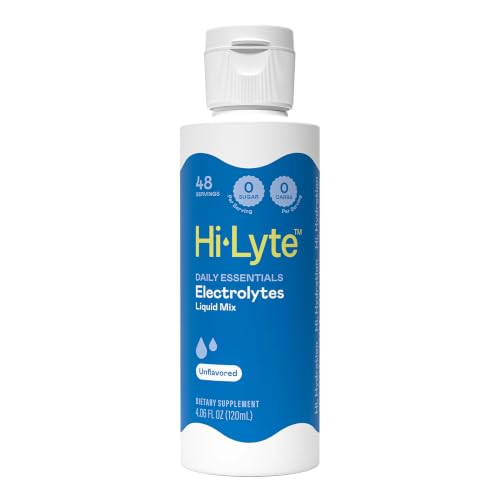
Long walks with a camera, warm afternoons at outdoor events, and full days moving between locations can leave anyone feeling drained, and these electrolyte drops are a small addition to a water bottle for people who choose to use them. The claims here should stay deliberately modest. This is not a medicine, an energy product, or a treatment for any condition, and it does not replace rest, shade, food, or simply drinking water through the day.
For most people, plain water is fine for everyday hydration, and many shoot days need nothing more. Anyone who does use drops should follow the label directions exactly rather than adding extra on the assumption that more is better. People with medical conditions, or anyone on a restricted diet that limits sodium, potassium, or other minerals, should check with a clinician before using a product like this. Kept in that honest frame, the drops are an optional extra in the camera bag side pocket, never a promise of stamina and never a substitute for pacing a long day sensibly.
Specs
- Product type: electrolyte drops for water
- Claims: modest only, not a medicine, energy, or treatment product
- Use: follow label directions exactly
- Note: plain water is fine for most people; clinician note for medical conditions or restricted diets
Frequently Asked Questions
What is the most important safety check on a camera strap?
Check every connection point: the anchors, the camera lugs, the stitching, and any quick-release connectors. The strap is only as strong as its weakest connector, so tug each joint firmly, look for fraying or cracking, and replace worn parts before carrying the camera again.
Should a strap rating match the lightest or heaviest kit?
Match it to the heaviest body-plus-lens combination actually carried. Walking adds swinging force beyond the still hanging weight, so a strap that feels adequate for a small prime may be undersized for a long zoom, a grip, and a flash used on other days.
Are cross-body slings better than neck straps?
Neither is automatically better. Neck straps keep the camera centered but can tire the neck on long days. Slings spread weight across the torso and often feel better for hours, but the camera swings at the hip and can knock against furniture and door frames.
Does a strap protect a camera from theft or knocks?
No. A strap keeps the camera attached and helps prevent drops from a slipping grip. It does not stop theft, since straps can be cut or slipped, and it does not cushion knocks. Those risks need awareness, secure handling, and padded storage instead.
Final Verdict
Choose a camera strap the way safety gear deserves to be chosen: by its connectors first, its rating second, and its comfort third. Inspect anchors, lugs, and quick-release parts honestly, match the rating to the heaviest kit actually carried, pick the neck, sling, or wrist style that fits the length and weight of a real day, and remember that a strap only keeps the camera attached. Around that decision, the five supporting picks in this guide tidy the photo corner in modest, clearly limited ways: a hook rail for light leads only, automatic bulbs for background light, a careful clamp for small accessories, a measured soft case for the laptop, and optional drops used with modest expectations. Together they support a calmer routine, while the strap itself, checked and trusted, does the one job that matters most.
Product and ASIN Reference
| Product | ASIN |
|---|---|
| SANY DAYO jewelry organizer 30 hooks | B07QFZSVQW |
| HEKEE dusk to dawn bulbs A19 | B07HGZMYZ4 |
| ULANZI super clamp | B09C882D4M |
| tomtoc laptop case | B073TVX735 |
| Hi-Lyte electrolyte drops | B01MXDAHIB |
FAQ
What is the most important safety check on a camera strap?
Should a strap rating match the lightest or heaviest kit?
Are cross-body slings better than neck straps?
Does a strap protect a camera from theft or knocks?
More from Amazon
Programs that pair well with the guide above. Offers and eligibility are set by Amazon and may change.
Free shipping on eligible items, Prime Video and more. Eligible new members can start with a free trial.
Start a Prime free trialAudiobooks and podcasts to listen to on the go. Eligible new members can start with a free trial.
Try Audible freeAd-free music streaming. Eligible new subscribers can start with a free trial.
Try Music Unlimited freeA free business account with business pricing and bulk-buying tools for work, shop or home office.
Create a business accountAs an Amazon Associate we earn from qualifying purchases.










Write Your Review
No reviews yet. Be the first to share your experience!