
Key takeaways
- Set up a ready corner for camping lanterns with shelf storage, safe charging habits, battery checks, and five honest support picks for trip prep.
Every camping household needs one corner where the lanterns live. Not a drawer where they vanish under tangled cords, and not a garage bin where they sit forgotten until the night before a trip. A dedicated corner, with one shelf for the lanterns, one clear surface for charging, and one short checklist run before every trip, turns packing from a scramble into a routine. The lanterns stay visible, their batteries stay checked, and problems get spotted at home instead of at a dark campsite.
This guide is about building that corner and supporting it well. None of the five picks below is a lantern, and none replaces one. They are the supporting cast: a light-duty rail for leads and the trip checklist, plain room bulbs that keep the corner lit on their own schedule, a sturdy clamp for mounting a small light or camera while you work, a padded case for the corner’s laptop or tablet, and a modest hydration helper for the people doing the packing. The safety rules matter more than any product: batteries are checked before every trip and stored the way their maker directs, charging happens on an open shelf in plain sight, and a lantern that flickers, runs hot, or shows a swollen battery is retired on the spot, never opened up or repaired at home.
As an Amazon Associate, we earn from qualifying purchases.
SANY DAYO Jewelry Organizer With 30 Hooks

The SANY DAYO organizer is, plainly, a jewelry organizer: a rail with 30 small hooks made for necklaces and earrings. In the lantern corner it earns its place as a light-duty rail for light things only. Short charging leads, a lanyard or two, and the laminated trip checklist hang from its hooks, each in its own spot, easy to see and grab. That is the whole job, and it does it well because everything on it weighs almost nothing.
Be clear about what this rail is not for. It does not hold lanterns under load, and it is not where charging happens. Lanterns charge on the open shelf below, where air moves around them and a warm battery would be noticed. Power strips and charging bricks stay off the rail entirely; they belong on the shelf surface, plugged in only while a charge is running. Light hooks for light items, solid shelf for everything electrical.
Mounted at eye level, the rail also becomes the corner’s memory. The checklist clipped to it asks the same questions before every trip: Are all lanterns charged? Were the batteries inspected for swelling, cracks, or corrosion? Are spares stored the way the maker directs? A hook rail cannot answer those questions, but it can make sure they get asked.
Specs
- Product type: wall-mounted jewelry organizer rail
- Hooks: 30 small hooks for light items
- Best use here: charging leads, lanyards, and the trip checklist
- Not suited for: lanterns, power strips, charging bricks, or any load-bearing storage
- Placement: eye level beside the lantern shelf
HEKEE Dusk to Dawn Bulbs A19

The lantern corner still needs ordinary room light, and the HEKEE A19 bulbs handle it in the simplest way. Each bulb has a built-in light sensor: it switches on when the room darkens and off when daylight returns, with no app, no timer, and no hub. The lantern shelf stays lit in the evening, when most packing happens, without anyone remembering a switch.
These are plain automatic sensor bulbs, nothing more. They are explicitly not smart bulbs, so they offer no color control, no schedules, and no voice commands. They are also not a lantern and not an emergency light: if the power goes out, they go out too, which is exactly why the real lanterns on the shelf matter. Two practical notes come with the sensor design. In a windowless room, the bulb may read the space as permanently dark and stay on, so a switched fixture is a better fit there. And before using any bulb in a fully enclosed fixture, check the fixture and bulb guidance, since enclosed fittings trap heat and not every bulb is rated for them. Steady, automatic light also makes the pre-trip battery check easier to do properly: swelling, cracked casings, and leaking cells are easier to spot under a lit shelf than by flashlight.
Specs
- Product type: A19 light bulbs with built-in dusk-to-dawn sensor
- Behavior: on at dark, off at daylight, automatically
- Controls: none; no app, timer, or smart features
- Best use here: general room light over the storage corner
- Not suited for: emergency lighting, lantern duty, or windowless rooms where it may stay on
ULANZI Super Clamp

The ULANZI super clamp is a mount, and only a mount. It grips a shelf edge, pole, or desk rim and gives you a solid point to attach a small accessory: a lightweight work light while you inspect battery contacts, a phone running a packing list, or a compact camera. It includes no light, no phone, and no camera of its own.
In the lantern corner, its best moment is the pre-trip inspection. Clamped to the shelf edge with a small light attached, it frees both hands for turning a lantern over, checking its base for swelling, and wiping contacts clean. Hands-free light at the angle you need makes the check faster and more careful, and careful is the point: a battery problem caught at the shelf is a lantern retired at home, not a failure discovered in the dark.
Respect its limits, though. It is made for small accessories, not heavy loads, and the grip should be tested with a tug before anything is left hanging from it. Tighten it onto a solid edge, confirm it holds, and only then attach the accessory.
Specs
- Product type: super clamp mount for small accessories
- Includes: clamp only; no light, phone, or camera included
- Best use here: holding a small light or phone during battery inspections
- Grip: shelf edges, poles, and desk rims; test the hold before use
- Not suited for: heavy equipment or load-bearing support
tomtoc Laptop Case

A gear corner tends to attract more than lanterns, and in many homes the same shelf zone holds the tablet with the campsite reservations or the laptop with the trip photos. The tomtoc case gives that device a padded home: a soft, cushioned case that protects against everyday bumps, scratches, and shelf knocks between trips.
Its limits are just as important as its padding. This is a padded soft case, not a hard shell, so it will not protect a laptop from a serious drop or a heavy object landing on it. It is also not waterproof; a leaking water bottle can still reach the device inside. Store it on the dry shelf, not the garage floor, and treat it as protection against ordinary handling rather than accidents.
Fit matters most with a case like this. Before ordering, measure the device and compare it against the case’s internal dimensions, not the outside measurements. Too small strains the zipper and corners; too large lets the device slide and defeats the padding. Matched to the right size, the case keeps the corner’s electronics tidy and easy to grab when the trip folder comes out.
Specs
- Product type: padded soft laptop case
- Protection: everyday bumps, scratches, and shelf knocks
- Construction: soft case; not a hard shell
- Water resistance: not waterproof; keep on a dry shelf
- Fit: compare device size against internal dimensions before ordering
Hi-Lyte Electrolyte Drops
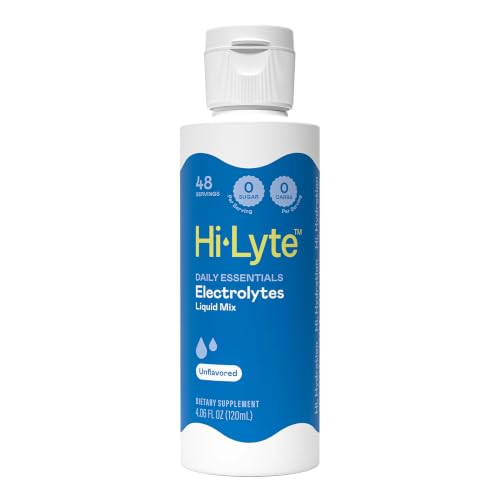
Packing and checking gear is light work, but it is still work, often done in a warm garage the evening before a trip. The Hi-Lyte drops are a simple way to add electrolytes to a glass of water while you work through the checklist. A few drops in plain water: that is the extent of the claim worth making.
The honest framing matters here. These drops are not a medicine, not an energy product, and not a treatment for anything. For most people, plain water is perfectly fine during an evening of packing, and the drops are a preference, not a necessity. Anyone with a medical condition or a restricted diet, including sodium or potassium restrictions, should talk with a clinician before using electrolyte products, and everyone should follow the label directions rather than improvising the dose.
Kept beside the checklist, the bottle plays a small role in the corner’s routine: charge the lanterns, check the batteries, store everything the way the makers direct, and take a break with a glass of water while the last lantern finishes charging on the open shelf.
Specs
- Product type: electrolyte drops for adding to water
- Use: a few drops in a glass of water, per label directions
- Claims: modest only; not a medicine, energy product, or treatment
- Note: plain water is fine for most people
- Caution: clinician first for medical conditions or restricted diets
How to Choose
Start with the shelf, not the products. Pick one shelf where every lantern lives, with room for each to stand upright and visible. A lantern you can see is a lantern whose battery you will check. Add an open, clear charging spot on that same shelf: charging happens there, in plain sight, never in a closed box, never under bedding or clothing, and never on a hook rail. If a battery grows warm, swells, or smells off during a charge, unplug it and retire it.
Next, write the checklist and hang it where the work happens. The rail holds that checklist along with the light charging leads. Keep the list short: charge every lantern, inspect every battery for swelling, cracks, and corrosion, store spares exactly as their maker directs, and retire anything that flickers or fails the inspection. A flickering or swollen lantern is never a home repair project; it is disposed of or recycled according to local battery guidance, and replaced.
Then add light and tools in that order. Automatic sensor bulbs keep the corner lit for evening checks, with the caveats about windowless rooms and enclosed fixtures in mind. A clamp earns its place when inspections need both hands. A padded case makes sense once the corner also stores a trip laptop or tablet. None of these purchases comes before the shelf, the open charging spot, and the checklist; those three free decisions are the corner.
FAQ
How should lantern batteries be stored between trips?
Follow the lantern maker’s guidance first, since designs differ. In general, store lanterns and spare batteries in a cool, dry place on the corner shelf, visible and upright, away from metal objects that could short exposed contacts. Re-check every battery before each trip, and dispose of any cell that is swollen, cracked, or leaking.
Is it safe to leave lanterns charging in a closed storage box?
No. Charging belongs on the open shelf, where heat can dissipate and a problem can be seen early. Never charge batteries in a closed box, under bedding, or buried in gear. Charge while someone is home and nearby, unplug when the charge finishes, and retire any battery that becomes hot, swollen, or damaged rather than charging it again.
What should happen to a lantern that starts flickering?
Retire it. Flickering can signal a failing battery or damaged contacts, and neither is a safe home repair. Do not open the lantern to fix it, and do not keep using it as a backup. Remove the battery if the design allows, dispose of it following local guidance, and replace the lantern before the next trip.
Can the sensor bulbs replace a lantern during a power outage?
No. The HEKEE bulbs are ordinary mains-powered room bulbs with a light sensor; when the power goes out, they go out as well. They are not emergency lights and not smart bulbs. Keeping the shelf lanterns charged and checked is what covers an outage.
Final Verdict
A ready corner is built on habits, not gear: one shelf where lanterns live in plain sight, one open spot where charging happens under watch, batteries checked before every trip and stored the way their makers direct, and a hard rule that flickering or swollen lanterns are retired, never repaired at home. The five picks support those habits from the edges. The SANY DAYO rail keeps leads and the checklist visible, the HEKEE bulbs light the corner automatically for evening checks, the ULANZI clamp frees both hands during inspections, the tomtoc case protects the corner’s laptop or tablet, and the Hi-Lyte drops offer a modest hydration option for the person packing. Build the routine first, add the support pieces second, and the night before every trip gets a little calmer.
Product and ASIN Reference
| Product | ASIN |
|---|---|
| SANY DAYO jewelry organizer 30 hooks | B07QFZSVQW |
| HEKEE dusk to dawn bulbs A19 | B07HGZMYZ4 |
| ULANZI super clamp | B09C882D4M |
| tomtoc laptop case | B073TVX735 |
| Hi-Lyte electrolyte drops | B01MXDAHIB |
FAQ
How should lantern batteries be stored between trips?
Is it safe to leave lanterns charging in a closed storage box?
What should happen to a lantern that starts flickering?
Can the sensor bulbs replace a lantern during a power outage?
More from Amazon
Programs that pair well with the guide above. Offers and eligibility are set by Amazon and may change.
Free shipping on eligible items, Prime Video and more. Eligible new members can start with a free trial.
Start a Prime free trialAudiobooks and podcasts to listen to on the go. Eligible new members can start with a free trial.
Try Audible freeAd-free music streaming. Eligible new subscribers can start with a free trial.
Try Music Unlimited freeA free business account with business pricing and bulk-buying tools for work, shop or home office.
Create a business accountAs an Amazon Associate we earn from qualifying purchases.










Write Your Review
No reviews yet. Be the first to share your experience!