
Key takeaways
- Calm-morning photo prep starts at the desk. See five honest companions that sit around a lens case and keep an early shoot simple, tidy, and unhurried.
An early shoot goes better when the prep happens the calm way, at the desk, before the light turns good. The lens case sits packed and ready, caps rest with their lenses instead of hiding in drawers, memory cards stay plain and sorted, and the camera bag waits by the chair rather than being stuffed in a rush at the door. None of that takes long; it just asks for a few steady habits and a desk corner that supports them.
To be plain about what follows: none of the five picks in this guide is itself a lens case. They are companions that sit around the case and the photo desk — a light-duty wall rail for small things that wander, automatic bulbs that greet the room before sunrise, a clamp mount for holding gear steady, a padded soft case for the laptop, and simple drops for the water bottle. Each earns its place by making the morning quieter, not by pretending to be the case itself.
As an Amazon Associate, we earn from qualifying purchases.
How to Choose
Size the case kindly to the lens so nothing rattles
A lens case should hug its lens. Too loose, and the lens shifts and knocks inside every time the bag moves; too tight, and the zipper strains and the padding compresses. Measure the lens at its widest point, hood reversed, and compare against the case’s inner dimensions, not its outer ones. A calm fit means the lens slides in with light finger pressure, the lid closes without force, and a gentle shake produces silence. Silence is the test: if it rattles on the desk, it will rattle twice as much in a moving car.
Keep caps with their lenses so mornings never start with a search
Front caps, rear caps, and body caps have a talent for separating from the gear they belong to. The fix is boring and complete: a cap goes back on the moment a lens leaves the camera, and a loose cap lives in the same case pocket as its lens, never in a shared junk drawer. Some photographers tether caps with short cords; others keep a small dish on the desk where caps land during a swap. Either way, the rule is one home per cap. A morning that begins with a search for a rear cap starts behind schedule.
Zip the case fully before it leaves the desk
A half-zipped case feels closed right up until it tips in the bag and spills a lens onto a strap, a cable, or worse. Make the full zip part of the packing motion itself: lens in, caps checked, zip drawn all the way around, and a light tug to confirm it holds. The same goes for the camera bag’s main compartment. It takes two seconds, and it makes the trip from desk to location a non-event, which is exactly what transport should be.
The case only guards the lens while the photographer’s care keeps it clear
A padded case is a guard, not a guarantee. It softens bumps and keeps dust off, but it cannot wipe a fingerprint, dry a fogged front element, or notice grit on a focus ring. That work belongs to the photographer’s habits: a blower before a cloth, a cloth kept clean in its own pouch, and a quick look at both glass surfaces when the gear comes home. The case guards the lens during the journey; the photographer’s care keeps it clear for the next one.
SANY DAYO Jewelry Organizer With 30 Hooks

The first pick needs an honest introduction: the SANY DAYO is a jewelry organizer, plain and simple, repurposed here as a light-duty wall rail for the small, light things that crowd a photo desk. Its thirty hooks hold keys, lanyards, wrist straps, cable ties, and other light accessories that otherwise migrate into drawers and vanish. Hung beside the desk, it gives every small item a visible home, so the morning check becomes a glance rather than a hunt.
Used within its limits, it is genuinely handy. But the limits matter and should be stated plainly: this rail is for light accessories only. It must never be loaded with consoles, drives, power bricks, heavy tools, or cartridges, and it is not a shelf for lenses themselves. Glass stays in cases and padded compartments. The rail simply keeps the featherweight clutter off the desk surface, leaving more room for the real packing work.
Specs
- Product type: wall-mounted jewelry organizer
- Hook count: 30 hooks
- Intended use: necklaces, bracelets, and similar light items
- Repurposed use here: light-duty rail for keys, lanyards, and light accessories
- Mounting: hangs on a wall or door near the desk
- Load guidance: light items only; no heavy gear
HEKEE Dusk-to-Dawn Light Bulbs A19

Morning shoots often begin in a dim room, and the HEKEE bulbs handle that dimness without asking for attention. These are plain automatic sensor bulbs: a built-in dusk-to-dawn sensor turns them on when the surrounding light falls and off when daylight returns. They are explicitly not smart bulbs — there is no app, no voice control, no color changing — and they are not task lighting, so they do not replace the focused lamp used for inspecting gear.
That simplicity suits hallways, entryways, and the corner where the camera bag waits. Two honest caveats come with the design. First, in a windowless or garage room with little natural light, the sensor may read the gloom as permanent dusk and the bulb may stay on far longer than expected. Second, before screwing one into an enclosed fixture, check that the fixture and the bulb are rated for enclosed use, since trapped heat shortens bulb life. Within those notes, the bulbs do one job quietly: the room is lit when the photographer walks in, before the sun has caught up.
Specs
- Product type: LED light bulb, A19 shape
- Sensor: built-in dusk-to-dawn photocell, automatic on and off
- Base: standard screw base for common household sockets
- Smart features: none; not app or voice controlled
- Intended use: general ambient lighting for porches, halls, and rooms
- Note: check enclosed-fixture rating before use in closed fixtures
ULANZI Super Clamp

The ULANZI super clamp is a mount, and only a mount. It has no light, no phone, and no camera of its own; what it offers is a strong jaw and a threaded mounting point that hold an accessory steady on a desk edge, a shelf, or a rail. Around a photo desk, that means a small monitor or an action camera on a short arm can sit exactly where it is wanted during tethered review, then come down in seconds afterward.
Two habits keep a clamp honest. First, pad the jaws — a strip of rubber, cork, or folded cloth between jaw and furniture protects finishes and improves grip. Second, respect what it should never hold: never clamp a monitor screen itself, and never trust a clamp with a load beyond its stated capacity, especially overhead. Used on a desk edge with padded jaws and a sensible load, it quietly rearranges a workspace for the better, holding the small screen that shows focus peaking while the lens case waits packed beside it.
Specs
- Product type: super clamp mount
- Function: grips desks, shelves, poles, and rails to hold accessories
- Mounting points: standard threaded holes for arms and adapters
- Built-in gear: none; no light, phone, or camera included
- Jaw care: pad jaws to protect surfaces and improve grip
- Load guidance: observe stated capacity; never clamp a monitor screen
tomtoc Laptop Case

The laptop is part of morning photo prep more often than it gets credit for: it checks the route, reviews yesterday’s frames, and formats the plain, unlabeled memory cards for the day. The tomtoc case gives that laptop a padded ride between desk and location. Its nature should be clear: it is not a hard shell, so it softens bumps and scrapes rather than resisting crushes, and it is not waterproof, so a rainy walk from the car still calls for an umbrella or a bag over the top.
Fit is the whole decision here. Soft cases forgive a little, but not much, so check the internal dimensions against the laptop’s actual measurements, including any sleeve or shell already on the machine. A correct fit means the zipper closes without stretching and the corners stay padded rather than pressed thin. Sized right, the case slides into the same bag as the lens case, and the desk-to-location routine stays one smooth motion.
Specs
- Product type: padded laptop sleeve case
- Protection style: soft padding against bumps and scratches
- Shell type: soft case; not a hard shell
- Water resistance: not waterproof
- Fit guidance: compare laptop measurements with internal dimensions
- Carry: slim profile for use inside a larger bag or on its own
Hi-Lyte Electrolyte Drops
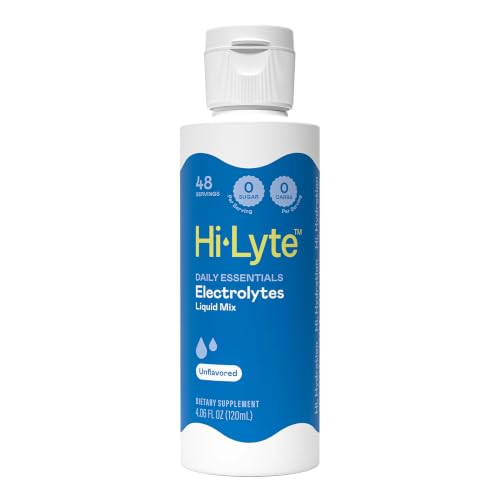
The last pick is the smallest: a bottle of electrolyte drops for the water bottle that rides along on an early shoot. The claims here stay deliberately modest. Hi-Lyte is not a medicine, not an energy product, and not a treatment for anything; it simply adds electrolytes and minerals to plain water, which some people prefer on long mornings outdoors. For most people, plain water is fine.
Practical notes are equally plain. Follow the label directions for how much to add, since the drops are concentrated, and start with less if the taste is new. Anyone managing a health condition, taking medication, or simply unsure whether an electrolyte product suits them should ask a clinician first. Kept in its lane, the bottle is a small, unremarkable companion: it sits by the desk, the water bottle gets filled during packing, and the photographer leaves hydrated without a fuss.
Specs
- Product type: liquid electrolyte concentrate drops
- Use: added to water according to label directions
- Claims: none medical; not a medicine, energy, or treatment product
- Serving control: concentrated; measure as directed on the label
- Suitability note: plain water is fine for most people; ask a clinician when unsure
- Storage: keep with the water bottle or desk drinks corner
FAQ
How should a lens case fit for a morning shoot?
Snugly and silently. The lens should slide in with light pressure, the padding should touch on all sides without straining the zipper, and a gentle shake should produce no rattle. Measure the lens with its hood reversed and compare against the case’s inner dimensions, not the outer ones.
Where do lens caps belong when the camera is packed?
On the lens, or in the same case pocket as the lens. A cap that lives in a shared drawer will eventually live somewhere unknown, and the search always seems to happen at dawn. Tethered caps and a desk dish for caps during swaps both work; every cap needs exactly one home.
Can these companion picks replace a proper lens case?
No. Each pick supports the desk around the case — lighting the room, holding light accessories, mounting a small screen, carrying the laptop, filling the water bottle — but none of them cushions a lens. Glass still needs a padded case sized to it, zipped fully, and packed where heavier gear cannot crush it.
How should gear be wiped down when the morning shoot ends?
Start with a blower to lift grit before anything touches the glass, since dragging dust across an element is how fine scratches happen. Follow with a clean microfiber cloth kept in its own pouch, working from the center outward. Check both elements, recap the lens, and let any damp gear air out before the case is zipped for storage.
Final Verdict
A calm morning shoot is built the night and the dawn before it, out of small, repeatable kindnesses to the gear: a lens case sized kindly so nothing rattles, caps that live with their lenses, a zip drawn fully closed, and a desk that holds the supporting cast without clutter. None of the five picks above is a lens case, and this guide has not pretended otherwise. The SANY DAYO rail keeps light accessories visible, the HEKEE bulbs light the room without apps or fuss, the ULANZI clamp holds a small screen steady on padded jaws, the tomtoc case pads the laptop’s ride, and the Hi-Lyte drops sit modestly beside the water bottle. Pair them with a proper padded case and the habit of wiping gear down kindly when the morning ends, and the photo desk becomes the quiet place where a good shoot has already half begun.
Product and ASIN Reference
| Product | ASIN |
|---|---|
| SANY DAYO jewelry organizer with 30 hooks | B07QFZSVQW |
| HEKEE dusk-to-dawn light bulbs A19 | B07HGZMYZ4 |
| ULANZI super clamp | B09C882D4M |
| tomtoc laptop case | B073TVX735 |
| Hi-Lyte electrolyte drops | B01MXDAHIB |
FAQ
How should a lens case fit for a morning shoot?
Where do lens caps belong when the camera is packed?
Can these companion picks replace a proper lens case?
How should gear be wiped down when the morning shoot ends?
More from Amazon
Programs that pair well with the guide above. Offers and eligibility are set by Amazon and may change.
Free shipping on eligible items, Prime Video and more. Eligible new members can start with a free trial.
Start a Prime free trialAudiobooks and podcasts to listen to on the go. Eligible new members can start with a free trial.
Try Audible freeAd-free music streaming. Eligible new subscribers can start with a free trial.
Try Music Unlimited freeA free business account with business pricing and bulk-buying tools for work, shop or home office.
Create a business accountAs an Amazon Associate we earn from qualifying purchases.










Write Your Review
No reviews yet. Be the first to share your experience!