Key takeaways
- Pros: high 12-outlet count for multi-device desks; built-in USB charging avoids extra wall adapters; solid reputation for build quality
- Cons: only 2 USB ports relative to the high outlet count; larger footprint needs more desk or floor space
Most laptops, tablets, and phones have shifted to USB-C charging, but a lot of desk power strips still only offer AC outlets or outdated USB-A ports. A desktop power strip with built-in USB-C charging lets you plug devices straight into the strip without a separate wall charger taking up an outlet, while still protecting your other electronics from power surges. When shopping, compare the surge protection joule rating, the USB-C wattage (higher wattage charges laptops faster, lower wattage is fine for phones and small devices), and the outlet spacing, since bulky power adapters often block neighboring sockets on cheaper strips.
Monoprice 12 Outlet Power Surge Protector with USB Charger Ports
This Monoprice strip offers 12 AC outlets alongside 2 built-in USB charging ports, positioning it as a sturdy, high-capacity option for desks running many devices at once.
- Pros: high 12-outlet count for multi-device desks; built-in USB charging avoids extra wall adapters; solid reputation for build quality
- Cons: only 2 USB ports relative to the high outlet count; larger footprint needs more desk or floor space
Anker Nano Power Strip Desk Clamp
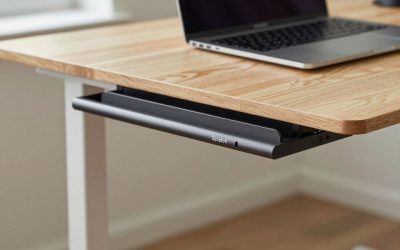
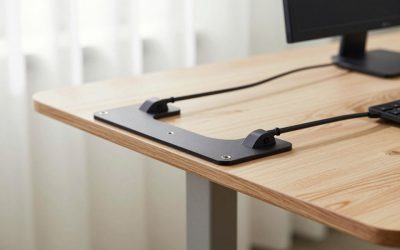
Anker’s clamp-mounted strip combines 6 AC outlets and 4 USB ports with 70W USB-C GaN charging — enough to fast-charge a laptop — plus 1500 joules of surge protection, and attaches directly to the desk edge with an adjustable clamp.
- Pros: 70W USB-C output can fast-charge most laptops; clamp mount saves desktop space; strong 1500J surge rating
- Cons: clamp mount requires an accessible desk edge thickness within its range; fewer AC outlets than non-clamp competitors
HANYCONY Surge Protector Power Strip
HANYCONY’s strip is a value-focused pick with 8 AC outlets spaced 2.2 inches apart (so bulky adapters don’t block neighboring sockets), 4 USB ports (2 USB-C, 2 USB-A), a 1080-joule surge rating, a 5-foot braided cord, and ETL certification.
- Pros: wide outlet spacing fits bulky adapters; mixed USB-C/USB-A port selection; ETL certified for safety
- Cons: 1080J surge rating is modest versus premium strips; braided cord length may be short for some desk layouts
Superdanny Power Strip
The Superdanny strip fits 8 AC outlets and 4 total USB ports (2 USB-A, 2 USB-C) into a compact desktop unit, aimed at buyers who want a balanced outlet-to-USB ratio without stepping up to a premium brand.
- Pros: balanced mix of AC outlets and USB-C/USB-A ports; compact size for smaller desks
- Cons: fewer independent reviews/track record than larger brands; surge joule rating not as prominently specified as competitors
Genki Moonbase Power Strip
Positioned as the premium option, the Genki Moonbase swaps most AC outlets for charging ports: 3 AC outlets plus 4 USB-C ports capable of up to 140W combined output, in a metal housing with customizable LED lighting.
- Pros: very high combined USB-C wattage suits laptops and fast-charging devices; premium metal build; customizable LED accent lighting
- Cons: only 3 AC outlets, fewer than most competitors; premium pricing reflects the metal build and port wattage
Satechi 75W USB-C PD Power Strip
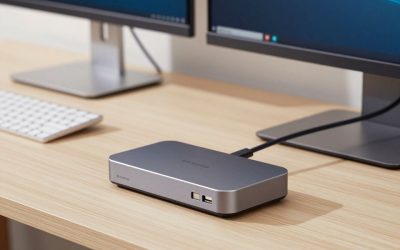
Satechi, better known for Mac-focused docks and hubs, applies the same aluminum-housing design language to a power strip: 3 AC outlets plus 2 USB-C PD ports (one rated up to 75W total shared output) and a slim aluminum body that visually matches a MacBook or Mac mini setup instead of the typical black-plastic power strip look.
- Pros: aluminum housing matches Apple-style desk setups; PD output is enough to charge most laptops at a useful (if not maximum) speed; compact footprint
- Cons: shared 75W budget across both USB-C ports means charging two laptops at once slows each down; fewer AC outlets than the Monoprice or HANYCONY strips
How to Choose
If you mainly charge phones and small accessories, a strip with 2-4 lower-wattage USB-C ports is plenty. If you want to charge a laptop directly from the strip, look for a single USB-C port rated 60W or higher (the Anker, Genki, and Satechi options above all clear that bar). Check outlet spacing if you regularly use bulky wall-wart adapters — tightly spaced outlets will block neighboring sockets. Finally, match the joule rating to your situation: a modest 1000J+ rating is reasonable for a home office, while sensitive or expensive equipment benefits from a higher-rated strip like the Anker or Monoprice options.
Shared versus dedicated wattage is the spec most buyers miss. A strip listing “100W total USB-C output” across four ports doesn’t mean each port gets 100W independently — plug in two laptops at once and the strip’s internal circuitry splits the budget between them, often dropping each port well below its single-device maximum. If you regularly charge multiple high-draw devices simultaneously, look for strips that specify per-port wattage rather than only a combined total, or budget for a strip with a notably higher combined rating than you think you need. Also check whether the strip’s surge protection covers the USB-C ports themselves, since some budget strips only protect the AC outlets and treat USB charging as a separate, unprotected circuit.
FAQ
Will a 65W USB-C port fully fast-charge my laptop? Most ultrabooks and many mid-size laptops charge at full speed on 60-65W; larger gaming or workstation laptops may need 90W+ and won’t fast-charge on a standard strip port.
Is a higher joule rating always better? A higher joule rating generally means more surge absorption capacity before the protection degrades, which matters more for expensive or sensitive electronics, but it’s only one factor alongside outlet count and port selection.
Can I mix USB-C and USB-A devices on the same strip? Yes — most strips in this category include both port types specifically so older USB-A cables and newer USB-C devices can charge side by side.
Does a power strip’s surge protection expire or wear out? Yes — the metal-oxide varistors (MOVs) inside a surge protector absorb energy with each surge event and degrade over time; most manufacturers recommend replacing a surge-protecting strip every 3-5 years or immediately after a major surge event, even if outlets still appear to work.
Can I daisy-chain two power strips together? This is generally discouraged by electrical safety guidelines, since it can overload the circuit and bypass the surge protection rating of either strip — if you need more outlets, choose a single strip with a higher outlet count instead.
More from Amazon
Programs that pair well with the guide above. Offers and eligibility are set by Amazon and may change.
Free shipping on eligible items, Prime Video and more. Eligible new members can start with a free trial.
Start a Prime free trialAudiobooks and podcasts to listen to on the go. Eligible new members can start with a free trial.
Try Audible freeAd-free music streaming. Eligible new subscribers can start with a free trial.
Try Music Unlimited freeA free business account with business pricing and bulk-buying tools for work, shop or home office.
Create a business accountAs an Amazon Associate we earn from qualifying purchases.



Write Your Review
No reviews yet. Be the first to share your experience!